


Industrial Emergency Generators
Flexible emergency power solutions for your business continuity and security.
The Role Of Emergency Power Generators And
How They Help
Industrial emergency generators are a sustainable solution for your facility's power needs, providing crucial operational continuity, information security, and safety during a power outage.
At Applied Power Engineering, we work with you to conceptualise a solution tailored to your needs. In partnership with some of the world’s leading generator manufacturers, our team can deliver a tailored modular solution that precisely meets your specific requirements, including detailed design, implementation, training, ongoing maintenance, and comprehensive after-sales support.
How Emergency Generators Work
An industrial backup power system has an Automatic Transfer Switch (ATS), which continuously monitors the main electrical power supply. In the event of an outage, the ATS typically detects the loss of power within milliseconds and promptly activates the generator. The generator then begins supplying electricity, which gets routed via software-controlled transfer switching to reliable, power-critical infrastructure, including lighting, cooling systems, ventilation, IT equipment, elevators, life-support systems, and other essential equipment, ensuring seamless operations. Once the main power supply gets restored, the ATS automatically transfers the load back to the grid and safely transitions the generator into standby mode, preparing it for future use.
Why Invest: Benefits to Your Facility
When integrated into your power infrastructure, an industrial emergency power generator delivers several important benefits for your facility.
- A High-availability, Emergency Power Supply for Operational Continuity: First among the benefits is continued operation or trading, which could otherwise incur significant losses, risks, and operational bottlenecks should you unexpectedly lose access to mains power. An emergency backup generator enables critical applications, systems, and processes to function in the absence of primary power. This arrangement mitigates the risk of downtime, protects revenue, and helps your critical infrastructure maintain your customers’ expected service levels.
- Preserve Product and Avoid Waste: Temperature-sensitive products are at risk of damage or spoilage if critical environmental management systems fail due to a power outage. An emergency backup generator ensures the continued operation of these systems, safeguarding the integrity of these products and mitigating potential waste and associated financial losses.
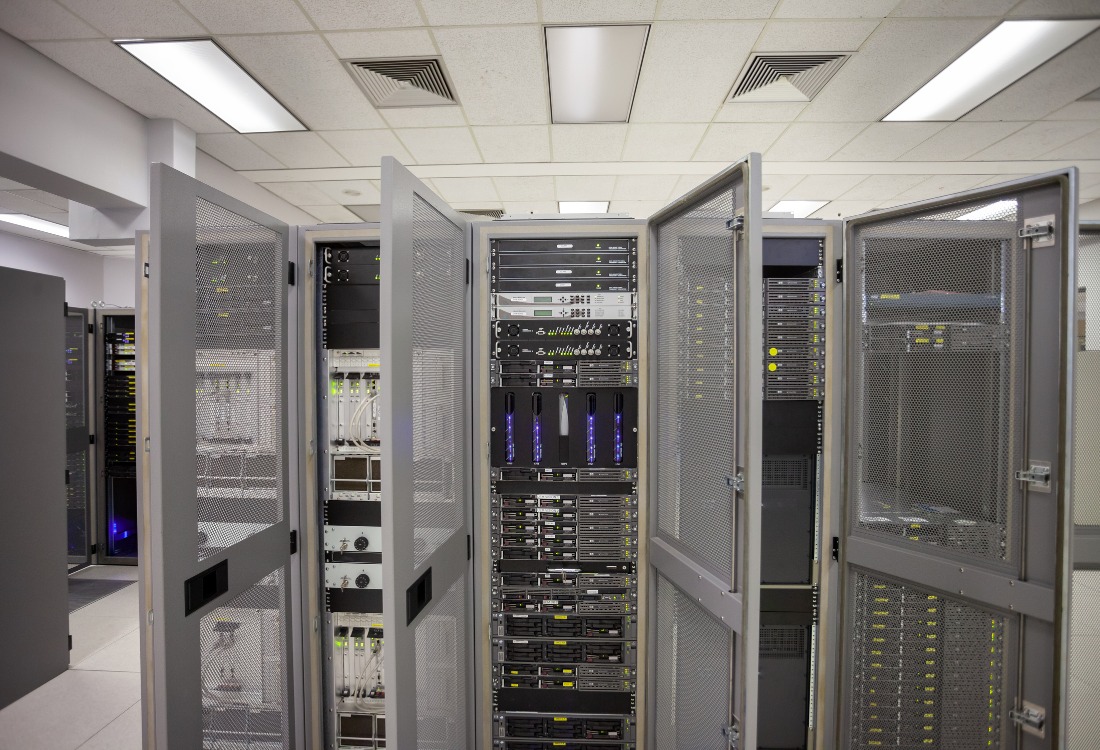
- Data Security and Integrity: Power outages pose a critical risk to data storage integrity and security. An emergency generator mitigates this risk by safeguarding your data and keeping storage devices, servers and other IT infrastructure operational without unexpected downtime. Uninterrupted service (which a Battery Storage system can provide to cover the short term between mains failure and generator start) also avoids the risk of files and databases becoming corrupted due to an abrupt shutdown, ensuring that clients' important data storage and access continue.
- Environmental Protection and Safeguarding: In many instances, an industrial backup power solution is crucial for protecting the lives of customers and patients, particularly in healthcare environments, while also preventing environmental harm from the unexpected shutdown of critical systems such as water treatment pumps, sewage processing facilities, and building environmental systems. Additionally, industrial backup power generators play a vital role in mitigating fire risks from overheating in systems such as heat exchangers and cooling equipment in power generation facilities where they lose grid connection.
Types Of Emergency Power Generators
Diesel Generators:
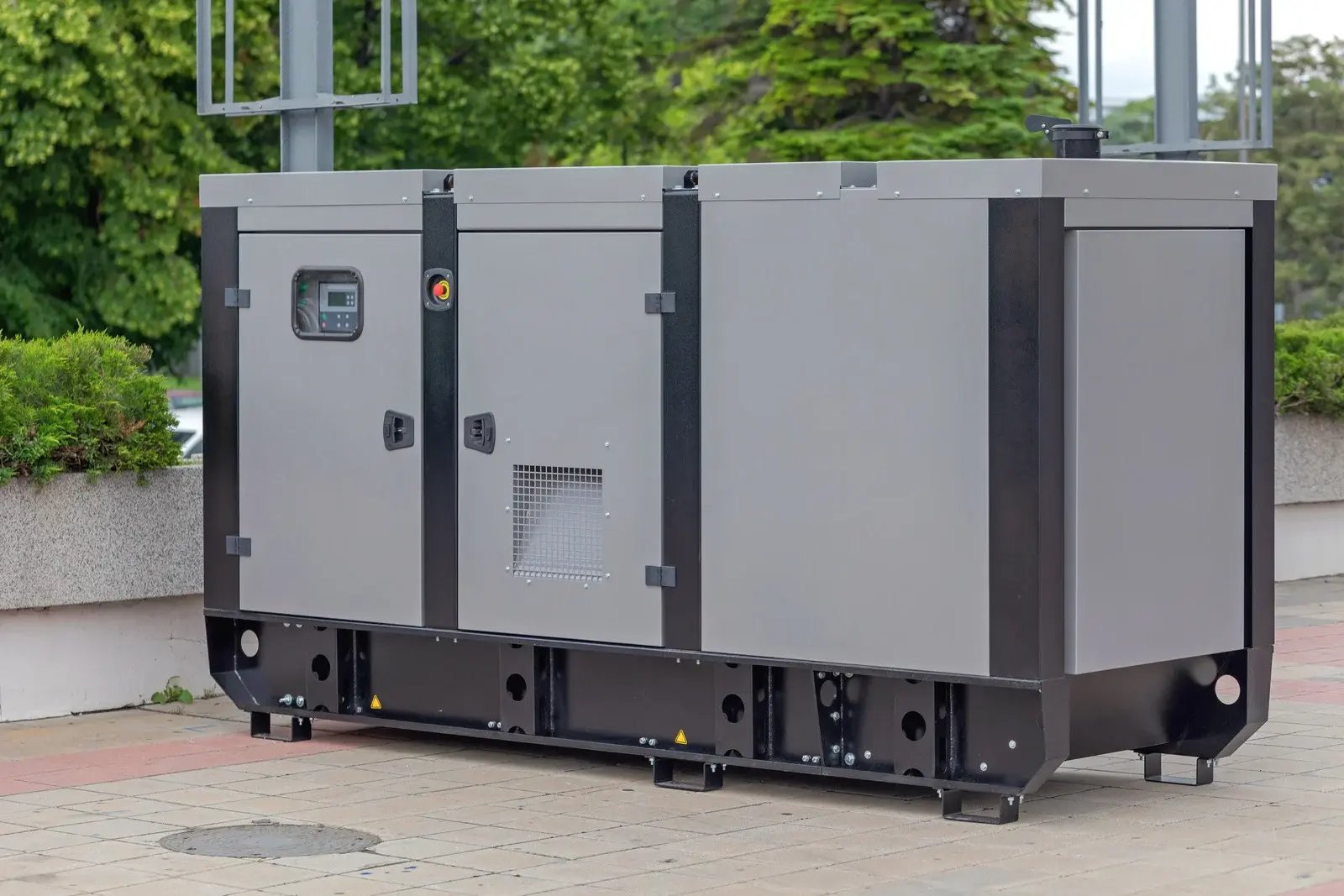
Our range of diesel generators provide a reliable and rugged power solution for a variety of requirements, with generator load capacities ranging to 2300kVA or more. Suitable for remote and temporary sites, the weatherproof and sound-attenuated designs of our diesel generators minimise noise pollution and facilitate compliance with safety standards. With high voltage and medium voltage options available, diesel generators can support your critical infrastructure or provide a primary energy source for various commercial and industrial operations. Generators are available in single and three phase configurations to meet either prime or standby power requirements. Visit our diesel applications page to find out more.
Gas Generators:
Gas-powered generators use a variety of gas mediums, including natural gas, landfill gas, and biogas, to produce a cleaner energy alternative to diesel, with up to 90% efficiency when integrated into a Combined Heat and Power (CHP) system. The generators we supply are adaptable to various applications including wastewater treatment plants, agricultural setups, and horticultural greenhouses. Integrated air fuel ratio systems and advanced controls enhance their operational reliability and streamline your maintenance requirements. Visit our gas applications page to find out more.
Frequently Asked Questions
What is the runtime of your generators, and how much fuel do they use?
What are the maintenance requirements for your generators?
What is the environmental/sustainability impact of your generators?
What does the generator set include?
What are the control functions and limitations?
We provide a range of market leading generators designed to meet various operational requirements, including fault management, load balancing, and resilience. Our engineers will work with you to help design and specify a power system tailored to your project requirements.
-
System level controls: all our emergency backup generators are provided with a variety of integrated power solutions, including system level controls, transfer switches, switchgear, and remote monitoring systems.
-
Load balancing, sharing, and shedding: our generators are equipped with an advanced power management system that helps you to handle load balancing, sharing, and shedding efficiently. This helps you optimise performance and prevent overloading. The generator’s load shedding capabilities depend on the control system in place. We can help you configure your controls to meet various load management scenarios.
-
Simultaneous controls: It is possible to operate two controls concurrently; however, doing so may introduce complexities to your system. Effective synchronisation and a tailored system design are essential to ensure seamless operation and prevent potential conflicts.
-
Hot swap and standby: our systems support both hot swapping and standby configurations, allowing seamless transitions between different power sources without interruption.
-
Resilience and fault management: all generator solutions are engineered for dependable performance, with a fault-tolerant design capable of handling unexpected power disruptions. Each unit has options for standby and continuous prime power for full resilience in critical applications.
Where can I install my generator?

The planning of your installation will require careful consideration of the generator's footprint and the most suitable location for its installation.
Factors such as the required clearance around the generator, as well as the potential impact of noise on staff, neighbouring businesses, and residential areas, must be taken into account during the design stage.
In certain instances, development work may be necessary to accommodate the generator, and in some cases, property costs should also be factored into the overall project budget. Please do not hesitate to contact a member of our team for a comprehensive discussion of your options and the associated costs.
Do emergency backup generators deliver a good return on investment?
One of the common barriers to organisations investing in an emergency backup power solution is the ability to recoup their initial investment. Essentially, some may not comprehend that the return on investment becomes evident in the event of a power outage. Under normal operational conditions, power outages are fortunately uncommon.
However, when an outage does occur, an emergency power system typically justifies its cost rapidly by ensuring business continuity, data security, environmental safety, productivity, and other critical factors such as customer confidence and 3rd party impact. Although the likelihood of a power outage may be low, the potential impact of such an event is significant, making an emergency backup power solution a valuable investment in many critical facilities.
What Are Industrial Emergency Generators?
Please book a discovery call with one of our experienced team to find out more about the benefits of emergency backup generators for your facility.
More information can also be found in our free Fact Sheet, which explores the technical specifications, implementation details, and costs and benefits of different emergency backup power options in more depth. Please click here to download your free copy
Book A Free Discovery Call
Unlock the potential of your power systems with a free discovery call at Applied Power Engineering.
Our expert team is eager to understand your unique challenges and goals, providing personalised insights and solutions tailored to your needs. This no-obligation consultation allows us to assess your requirements and explore how we can enhance your operations.
Take the first step towards optimised performance—schedule your free discovery call today!
From Our Blog
Stay up to date on what is new in our industry and learn more about upcoming products and events.

Why Industrial Backup Generators Are Essential For Business Continuity
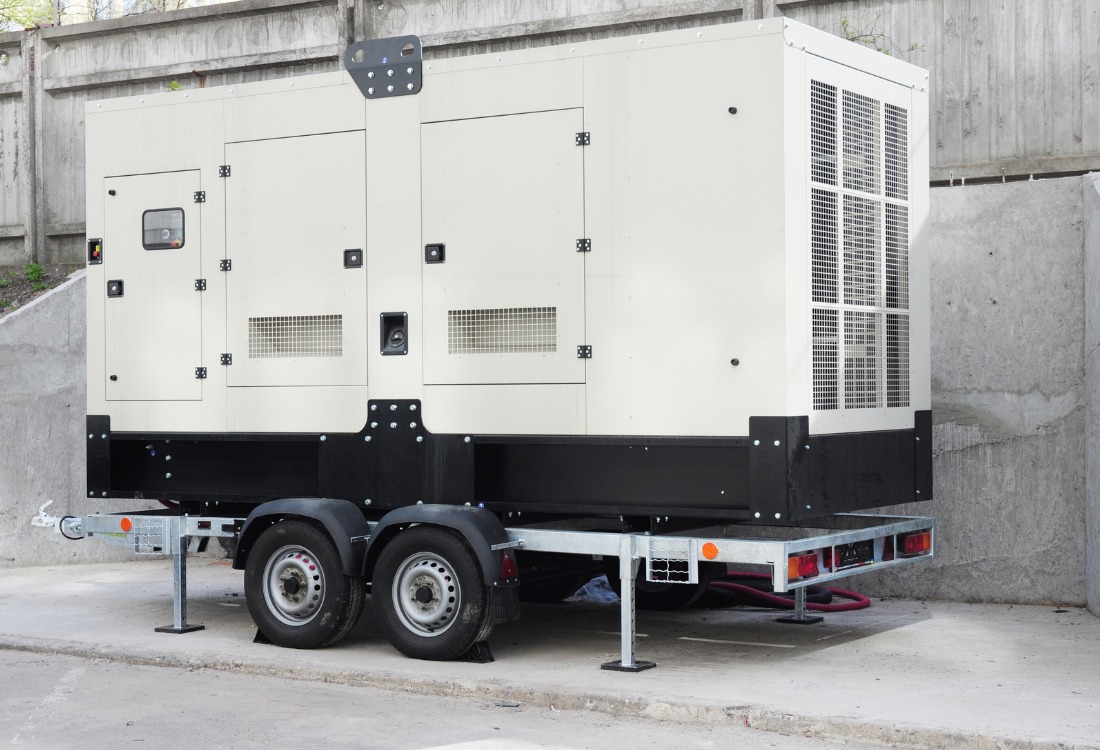
Why Backup Generators for Data Centres Are Essential For Operations